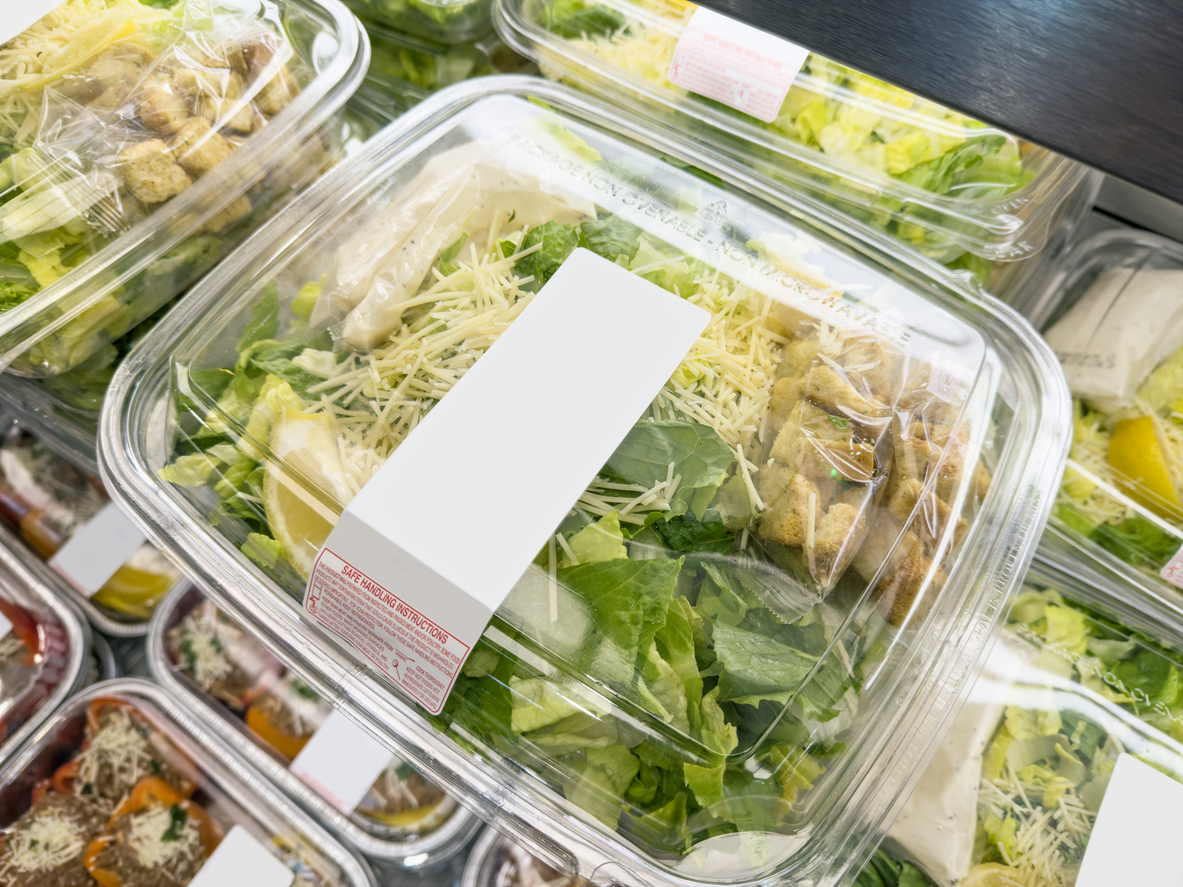
Shipping boxed salads is a critical component of today’s fresh food supply chain, offering convenient and healthy meal options for consumers. From harvest to retail shelves, even small disruptions in temperature and humidity can significantly impact product quality. At ABCO Transportation, our drivers understand how to keep boxed salads fresh throughout transit.
Let’s explore best practices for shipping boxed salads, the logistics behind maintaining freshness and how experienced refrigerated carriers meet the growing market demand.
How to Keep Boxed Salad Fresh in Transit
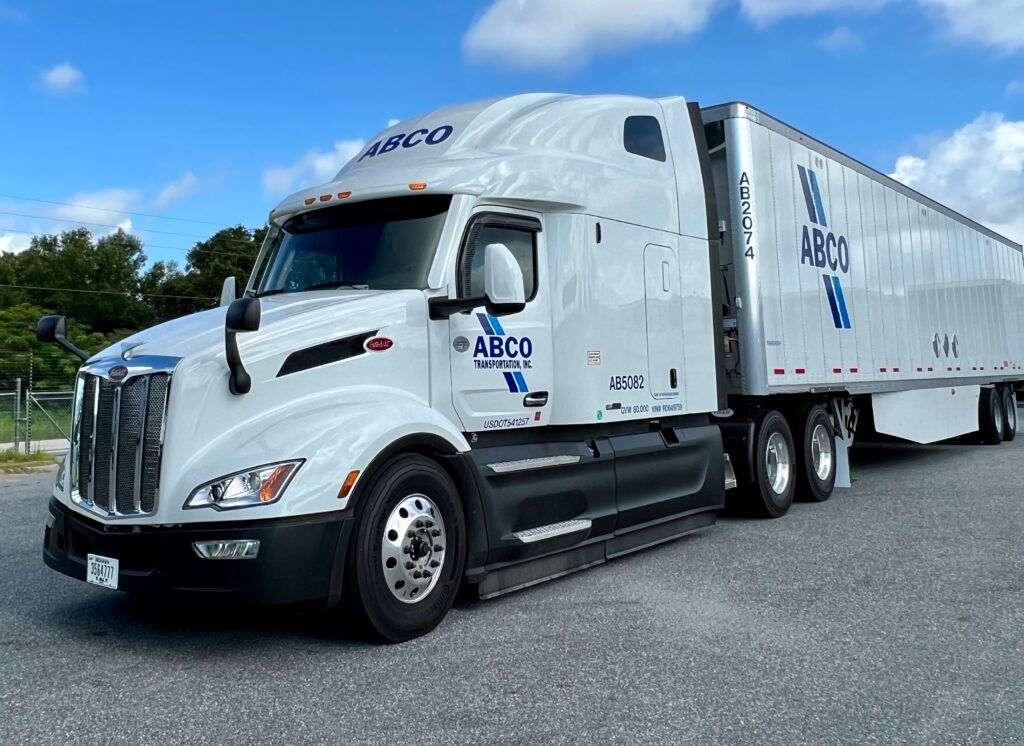
Shipping boxed salads is a frequent customer request at ABCO Transportation. Using refrigerated trailers, also known as “reefers,” our drivers can deliver all manner of leafy greens throughout our network. Boxed salads typically comprise cabbage and lettuce with additional produce depending on the foodstuff.
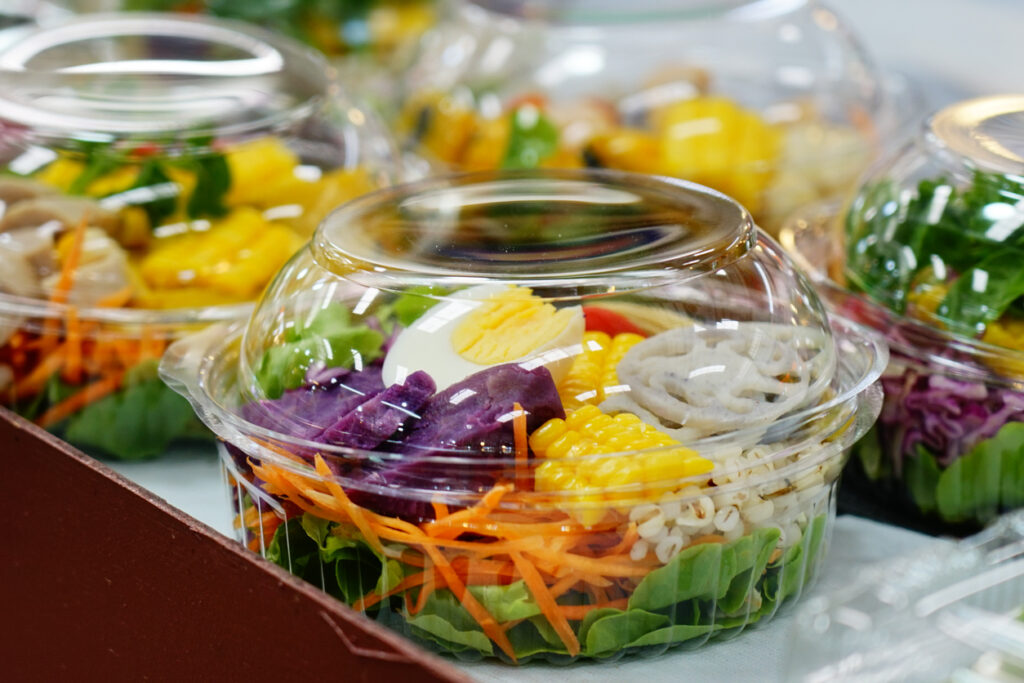
Communication between the production site, transportation provider and retailer is essential when shipping boxed salads. With proper packaging and care, trucking companies can ship boxed salads to retailers that keep a maximum shelf life of 10 to 14 days. To retain peak freshness, a producer can prep a salad box at most three days ahead of transit before handing it off to a transportation provider.
Maintaining a constant temperature and 90-95 percent relative humidity best preserves boxed salad in transit. Additionally, some salads are shipped in vacuum-sealed plastic that is packed inside fiberboard boxes, often with a mixture of gasses to extend the shelf life of each vegetable product. Freight handlers are careful to not puncture these bags during delivery, else produce may spoil when prematurely introduced to ethylene gas.
The Current and Projected Boxed Salad Market
Consumer demand for boxed salads continues to rise, driven by a broad trend toward healthier eating habits and convenience. In 2024, the global market was valued at approximately $13.47 billion and is projected to nearly double by 2033, with a compound annual growth rate (CAGR) of 7.7% from 2025 to 2033, according to Grand View Research. This growth underscores a shift in customer behavior toward nutritious, ready-to-eat foods that align with health and wellness goals.
Within the customer base, specific consumer segments and preferences are shaping product demand and innovation. Vegetarian salads dominate the market and captured the largest share of revenue in 2024, as more consumers have adopted plant-based diets or increased their intake of vegetables for health reasons. Meanwhile, demand for non-vegetarian salads, including protein-enriched offerings like seafood and meat combinations, is also rising as consumers look for balanced, high-protein meal options. ABCO Transportation personnel have experience in shipping not just leafy greens, but many common boxed salad amenities as well.
Customer preferences are also influencing how boxed salads are sold and distributed. While the majority of purchases still occur through offline channels such as supermarkets and hypermarkets, online channels are projected to grow at a faster pace as e-commerce adoption increases. This shift reflects changing shopping habits and the importance of accessibility for time-pressed consumers. Regionally, North America remains the largest market and represents a stable commodity for transportation companies shipping boxed salads.
Contact Us Today
ABCO Transportation is your expert in shipping boxed salads and other refrigerated commodities. Call 800.464.2226 to speak with a company representative or visit our Contact page and leave your name, email address and submit an inquiry for our team. Make shipping boxed salads easier by partnering with a trusted provider in refrigerated trucking services.